
1. How is the development of cosmetic products carried out?
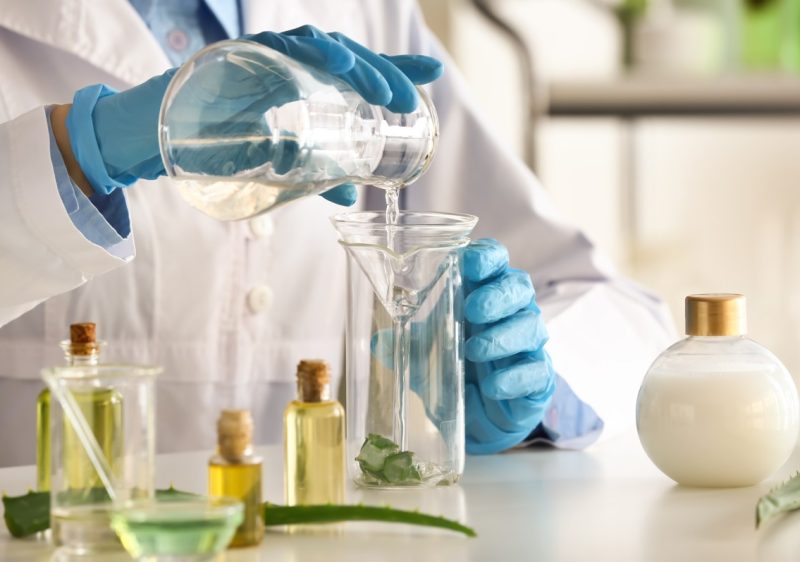
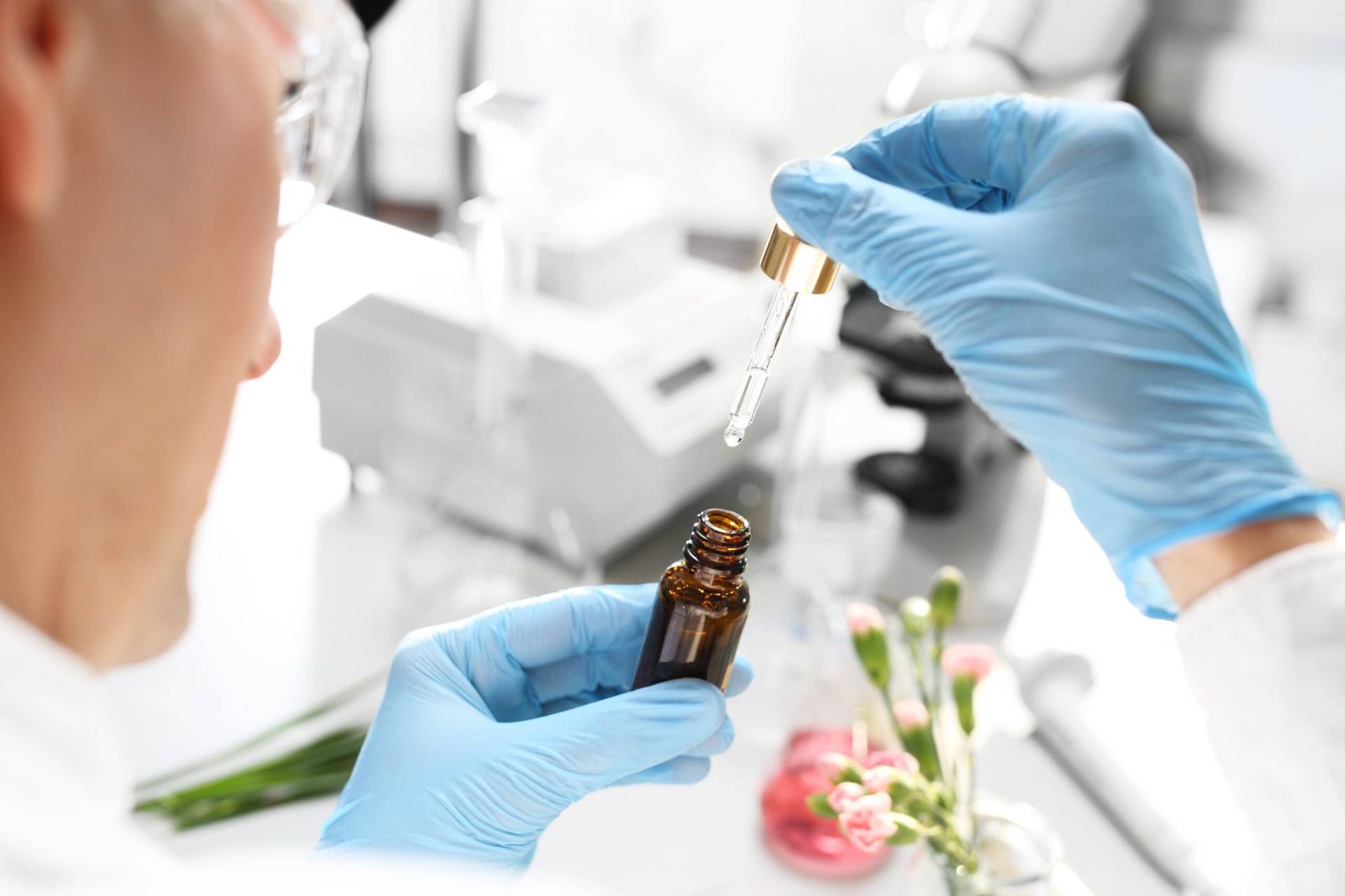
Developing a cosmetic product consists of multiple stages, from market research and analysis to formulation design and testing. Our development process combines expertise in cosmetology, pharmacology, dermatology, and biochemistry, with many years of creative experience.
Learn more here: R&D.
2. What does cosmetic product manufacturing include?
Cosmetic product manufacturing encompasses raw material and packaging procurement, formulation, homogenization, filling and packaging. All processes are performed in compliance with strict regulations and standards to ensure the safety and quality of the final products. Labderma Co. is a boutique manufacturer with a smaller to medium-scale production capacity, where collaboration with clients who focus on product quality and originality, rather than large-scale production, is our priority.
Learn more here: Production Lab.
3. How much does cosmetic product manufacturing cost?
The cost of cosmetic product manufacturing can vary significantly depending on the type of product, order quantity, and specific formulation requirements. Due to the broad range of possibilities, providing a general estimate can be really difficult. For an accurate cost assessment, please contact us with your specifications and needs, and after reviewing all the information we can provide you with a detailed quote.
For products developed and manufactured with us, we can typically offer up to a 25% lower price compared to products developed elsewhere, as we optimize both the formulation and our technological processes simultaneously.
We also offer optimization of your existing formulations to improve technological efficiency, reducing production costs without changing the product’s characteristics or effectiveness.
4. How can you get your own private label cosmetics line developed?
Developing a private cosmetic brand requires identifying your target audience, visualizing the product’s purpose and appearance, formulating complementary products, and selecting the appropriate packaging. Our team is here to assist you at every step, from initial concept to final production.
5. What does ‘white label cosmetics’ mean?
White label cosmetics refer to products that are developed by a manufacturer and sold to various clients under different brand names. The same product is marketed by different companies, each using their own branding and packaging. The product may be identical or slightly altered (e.g., fragrance, color).
This approach allows businesses to quickly launch new products without the need for production or formulation expertise. Brands can focus on design and marketing strategies, utilizing existing products to reach their target customers. While popular over the past decade, this model is losing favor as consumers become more educated and demand greater innovation and differentiation in their cosmetic choices.
At our company, we focus on developing products that become the intellectual property of your brand. Our formulations are unique and remain confidential.
However, at the customer’s request, we can also offer white-label formulations and then focus on manufacturing and packaging.
6. What standards must cosmetic products meet in European Union?
All cosmetic products sold in EU countires must comply with European standards and regulations, including Regulation (EC) No. 1223/2009 on cosmetic products. These regulations ensure the safety and quality of products. Don’t worry, we take care of all the regulatory details.
7. What is the best packaging choice for cosmetic products?
The choice of packaging depends on the type of product and the target audience. Eco-friendly and recycled packaging is becoming increasingly popular, as it reduces environmental impact and appeals to consumers. Glass and aluminum are highly favored, but certain types of plastic also offer advantages.
The most suitable packaging for your cosmetic product can be best determined through personalized consultation, as many factors need to be considered – including price, customization options, usability, chemical compatibility with the product, and the intended method of use.
8. What types of packaging are used for natural cosmetics?
Natural cosmetics often use glass, aluminum, or eco-friendly plastic packaging. This packaging not only preserves the product’s quality but also meets environmental standards.
9. Is glass packaging better than plastic for cosmetics?
Glass packaging is often more durable and offers a premium appearance but is heavier and can be more expensive. Plastic is lightweight and usually cheaper, but it’s important to choose high-quality plastic types.
10. How to recognize certified natural cosmetics?
Certified natural cosmetics carry specific labels or certifications that confirm the product meets defined standards for natural ingredients and sustainable production practices. Always check labels and certifications.
11. How to make natural cosmetics at home?
Making natural cosmetics at home involves using ingredients like oils, butters, and essential oils. There are many online resources and recipes to help with this process. However, we are not the best source for this, as all of our products are developed and produced in a professional laboratory.
Keep in mind that while the claim of “homemade cosmetics” may sound appealing, it places the responsibility for potential adverse reactions, contamination, and microbiological safety squarely on your shoulders.
It’s fine to experiment with cosmetics or buy from a local artisan, but be aware that using unrefined and unregulated ingredients can pose significant risks. Herbs and plants grown at home may not be free of allergens, which can be dangerous, especially for those with allergies or children. This is especially true for essential oils.
12. How to create your own cosmetic brand?
Creating your own cosmetic brand involves market research, formulation development, packaging selection, preparation of documentation, and then manufacturing and filling. The next step is to design a marketing strategy. Our team is here to support you throughout the entire process.
13. How much does it cost to develop a private cosmetic brand?
The cost of developing a private cosmetic brand can vary depending on the complexity of formulations and quantities.
The price range for cosmetic product development varies widely based on the product type and specific formulation requirements. For an accurate cost estimate, please contact us with your specifications, and after reviewing your product’s visual concept, we can provide a detailed quote.
For products developed and produced with us, we can offer up to 25% lower prices compared to products developed elsewhere, as we optimize both the formulations and our technological processes.
We also offer optimization of your existing formulations to improve production efficiency, lowering your costs without changing the product’s properties or effectiveness.
Learn more here: R&D
14. Where can I find a manufacturer for a private cosmetic brand?
You have just found one! Our mission is to listen to people with fresh ideas, just like you. We collaborate with both experienced companies and newcomers in the cosmetic business. It’s important to understand that developing and owning your own cosmetic brand will require some serious work – alot of collaboration with experts, persistence, investment understanding, and clear sales and marketing strategy. We’ll take care of the rest.
15. What documents do I need to launch a cosmetic brand?
To launch a cosmetic brand, you’ll need proper documentation, including product declarations, quality certificates, and safety test reports in line with current European directives. Don’t worry, we handle all of the paperwork for you.
16. How to promote a private cosmetic brand?
Promoting your private cosmetic brand involves developing a clear marketing strategy, usually involving social media, influencer marketing, online advertising and so on. While we focus mainly on the technical aspects of preparing your product, we can offer tips for customer outreach. We can also help create professional content and marketing claims that form the foundation of your advertising efforts.
17. How to compete with others in the cosmetic industry?
To successfully compete in the cosmetic industry, it’s essential to understand your target audience, highlight your unique selling points, and focus on product quality and customer satisfaction.
Innovation and uniqueness will likely be key factors that can set you apart from others, thats why we offer individualized development to help your brand stand out and shine. There’s room for everyone in the market, which is always open to new ideas.
18. What are the latest trends in the cosmetic industry?
The latest trends in the cosmetic industry include natural and organic ingredients, personalized formulations, and customization options for consumers.
19. What are the key ingredients in cosmetic products?
The key groups of ingredients in cosmetic products include moisturizers, emulsifiers, preservatives, antioxidants, and active ingredients that enhance the product’s performance and ensure user satisfaction.
In general, these can be divided into two categories: technological base ingredients (which ensure stability, safety, appearance, and sensory profile of the product on the skin) and second, active ingredients (which contribute to the product’s intended effect on the skin or hair). The first group is actually much more complex than the second, but don’t worry, we have quite some experience.
20. How are cosmetic product safety tests conducted?
The safety testing of cosmetic products involves evaluating and testing each ingredient separately, then formulation, and finally a finished product to ensure perfect safety of the cosmetic product. This includes stability tests and accelerated aging tests. All of our testing is conducted in-house, in compliance with legislative requirements and standards, to protect users and ensure the quality of our products.
Any additional testing, such as efficacy testing, testing on volunteers, and other procedures, are planned together and carried out in collaboration with external partners.
Rest assured, animal testing for cosmetic products has been banned in the EU for many years and is not being performed at any stage.